
Air filtration in industry: technologies, standards and integration
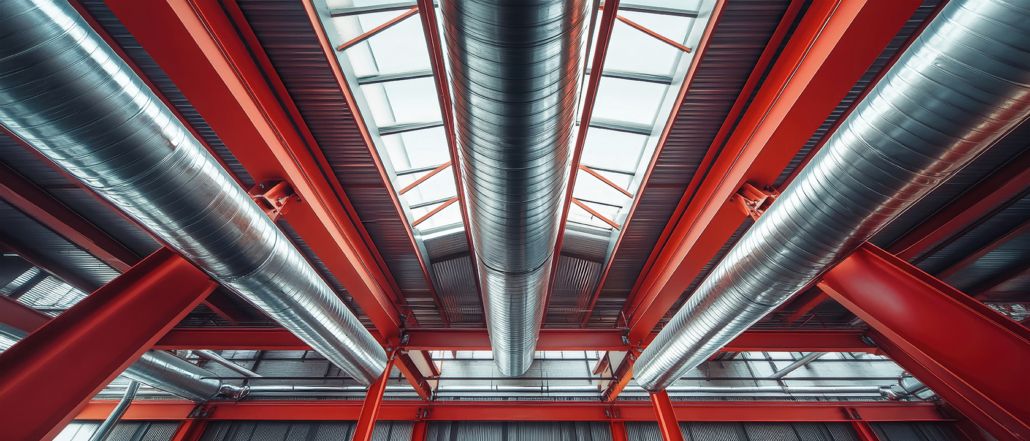
Industrial production environments generate pollutants such as fine dust, smoke, and fumes, which, without effective air filtration, can contaminate workplaces, machinery, and processes. Extraction systems and filtration systems ensure clean air, protect employee health, and optimize operational efficiency. What filtration methods are available, how do they work, and which standards are relevant?
What are the goals of air filtration?
Air filtration removes pollutants from the air and improves workplace air quality. Industrial production environments generate harmful particles such as fine dust, smoke, fumes, and gaseous pollutants. Modern filter systems and extraction systems efficiently capture and filter these substances, reducing the risk of respiratory illnesses and other health problems. At the same time, compliance with legal environmental and occupational safety regulations is ensured.
Why is air filtration indispensable in industry?
Airborne pollutants not only endanger the health of employees, but also impair machinery, production processes, and operational efficiency. Fine dust and deposits can damage sensitive equipment and tools, increase maintenance requirements, and reduce production quality.
Effective air filtration and extraction systems prevent the spread of pollutants, reduce downtime, and improve working conditions. Modern filter technologies also lower the energy consumption of HVAC systems and optimize operating costs through more efficient air circulation.
Filter technologies and their application
Various filter mechanisms are used for air purification, depending on the type of pollutant and the area of application. These include:
- Pre-filter
- HEPA filter
- activated carbon filter
- PTFE filter membranes
- UV-C air purifier
Pre-filter (coarse dust filter)
Pre-filters remove coarse particles such as dust, metal shavings, or fibers and prevent the main filters from clogging. They are essential for applications with high dust loads, e.g., in metal processing or the wood industry.
HEPA filter (High-Efficiency Particulate Air)
HEPA filters eliminate up to 99.99% of all particles larger than 0.3 micrometers and are suitable for environments with high purity requirements. They are used in cleanrooms, laboratories, and sensitive production areas, filtering fine dust, allergens, bacteria, and viruses.
activated carbon filter
Activated carbon filters bind gaseous pollutants, volatile organic compounds (VOCs), solvent vapors, and odors. They are ideal for paint shops, chemical plants, and production facilities with high solvent exposure.
PTFE filter membranes
PTFE filters are resistant to aggressive chemicals and are suitable for industrial processes involving fine dust or toxic particles. They are frequently used in the pharmaceutical industry, chemical production, and metal processing.
UV-C air purifier
UV-C air purifiers use ultraviolet light to kill germs, bacteria, and viruses. This chemical-free method is particularly suitable for sterile environments such as laboratories, hospitals, and food production facilities.
Standards and requirements: ISO 16890
The ISO 16890 standard provides a globally standardized assessment of air filter efficiency and categorizes filters according to particle size. It includes the following categories:
- ISO ePM1
- ISO ePM2.5
- ISO ePM10
- ISO Coarse
ISO ePM1
Filters of this class remove at least 50% of fine dust particles smaller than 1 micrometer. These particles penetrate deep into the lungs and cause numerous health problems. They are particularly relevant in areas with high levels of fine dust pollution, such as production facilities or heavily polluted urban areas.
ISO ePM2.5
An ISO ePM2.5 filter captures at least 50% of particles up to 2.5 micrometers in size. These fine dust particles are found in exhaust fumes, smoke, and industrial emissions and can cause respiratory illnesses in the long term. They are commonly used in offices, production halls, and warehouses.
ISO ePM10
This filter class removes at least 50% of particles down to 10 micrometers. Such particles often originate from construction and production processes, such as grinding and cutting operations. They improve air quality in industrial plants and large facilities.
ISO Coarse
This filter class captures coarse particles such as dust, sand, or plant fibers. It serves as the first filter stage and protects subsequent filters from premature wear.
Integration of air filtration systems into existing processes
To avoid disrupting operations, the integration of air filtration and extraction technology must be strategic. A detailed analysis of air pollution levels and production processes is crucial for selecting the optimal system. Retrofit solutions allow for upgrades without major structural modifications, while modern control systems automatically adjust filtration performance, thus optimizing energy efficiency and maintenance.
Centralized extraction systems for multiple workstations reduce costs and maintenance while ensuring consistent air quality. Real-time monitoring systems detect air pollution early and enable timely filter changes.
Individual consultation and solutions from Kaweha extraction technology
With many years of experience in industrial air pollution control, Kaweha Absaugtechnik develops tailor-made filtration and extraction solutions that are precisely tailored to the requirements of your company.
Our extraction systems efficiently capture pollutants, support compliance with legal requirements, and ensure smooth operational processes. Contact us for a personalized consultation and learn how innovative air filtration can help you create a healthy and productive work environment.
March 18, 2025
