
Energy efficiency of extraction and filter systems with frequency converters: A sustainable solution for industry
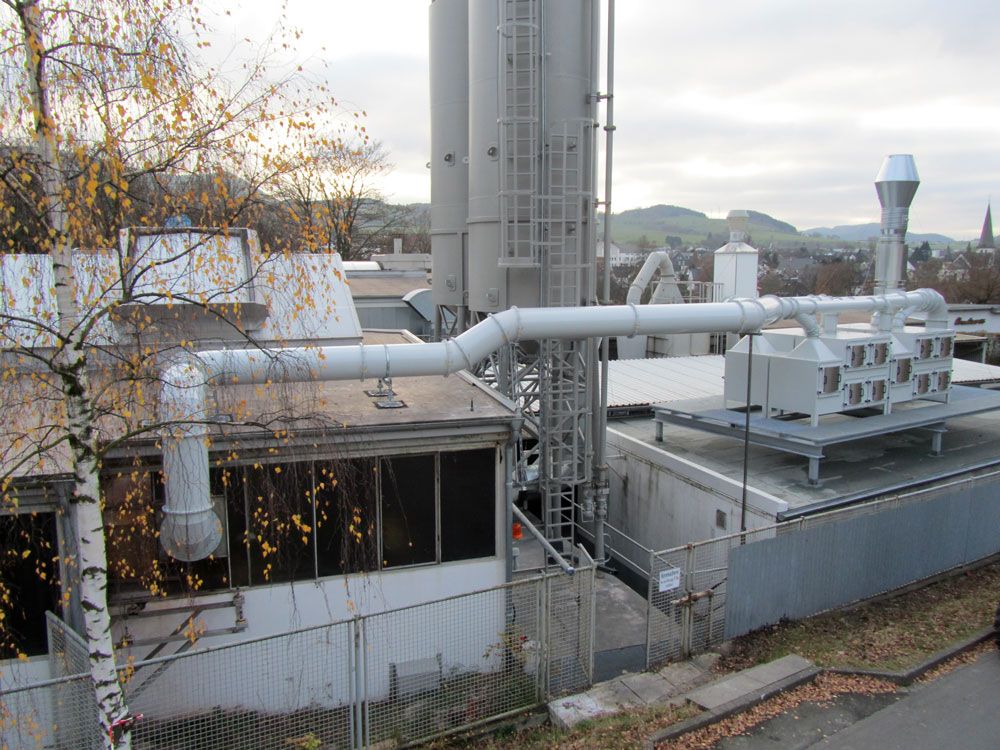
In today's world, where sustainability and energy efficiency are increasingly important, industrial processes are also coming into focus. Extraction and filtration systems, in particular, play a crucial role in reducing emissions and making work environments safer. A key aspect of optimizing these systems is the use of frequency converters, which not only increases energy efficiency but also leads to lower power consumption, compressed air savings, and longer filter lifespans.
Lower power consumption:
The use of frequency converters in extraction and filtration systems enables precise control of the motor speed. Compared to conventional systems where the motor runs constantly at maximum power, the frequency converter adjusts the motor speed to the actual demand. This leads to a significant reduction in power consumption and thus to a sustainable reduction in energy costs for operating the system.
Saving compressed air:
Compressed air is a precious resource in many industrial processes. Conventional extraction systems often consume unnecessarily large quantities of compressed air to maintain the required flow rates. Frequency converters allow for more efficient control of these extraction systems. Adjusting the fan speed to the current demand results in precise control of flow rates and thus significant compressed air savings, which is not only economically but also environmentally beneficial.
Longer filter lifespans:
The service life of filters in extraction systems is a crucial factor for their efficiency. Unnecessary stress from consistently high speeds can lead to premature wear. Using frequency converters makes it possible to optimally adjust the flow rates. This results in gentler treatment of the filters, which in turn leads to longer service lives. Reducing the required maintenance intervals not only lowers operating costs but also minimizes the replacement of filter materials, thus conserving resources overall.
Conclusion:
Integrating frequency converters into extraction and filtration systems represents a forward-looking measure for increasing energy efficiency while simultaneously reducing operating costs. Lower power consumption, compressed air savings, and longer filter lifespans are not only economically advantageous but also contribute to reducing the environmental footprint. Industrial companies should therefore invest more heavily in innovative technologies to make their processes more sustainable and contribute positively to environmental protection.
For more information, please contact us.
January 30, 2024
