
Explosion-proof extraction system
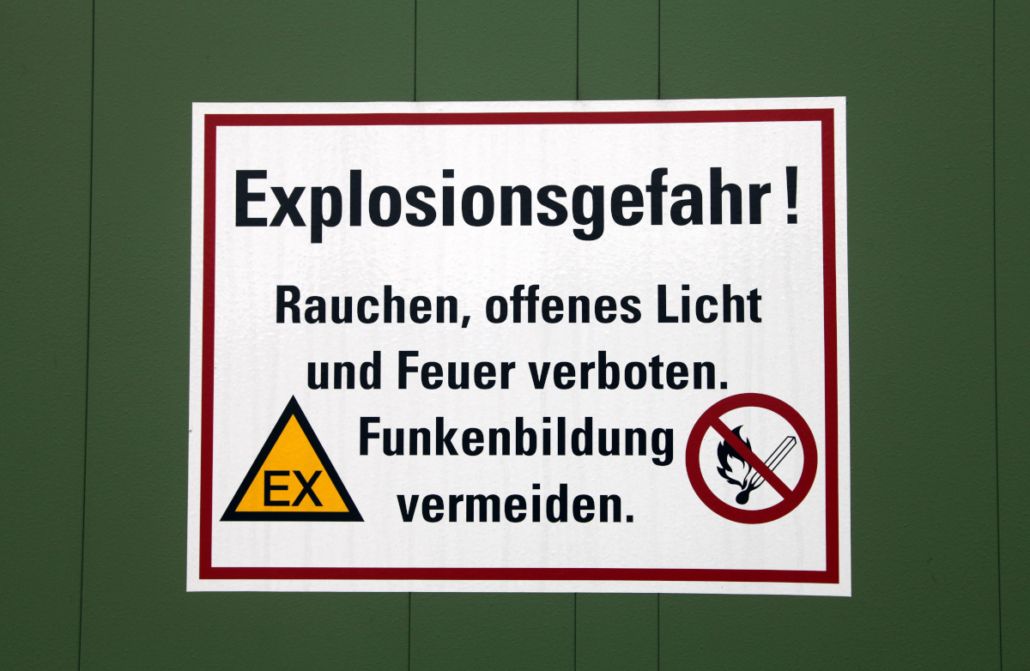
When flammable dusts, gases, or vapors are generated in industrial processes and come into contact with oxygen, they can potentially form an explosive atmosphere. Even a small spark can then trigger a dangerous explosion. To prevent this, industrial extraction systems must be designed and installed according to the ATEX directive. This so-called explosion-proof extraction system provides reliable protection against explosive substances and contains the hazard, ensuring a healthy and safe working environment.
What is explosion-proof extraction?
Explosion-proof (EX) extraction systems remove hazardous and flammable dusts, gases, and vapors from the air, significantly reducing the risk of explosion. These systems comply with the ATEX Directive 2014/34/EU, which sets strict safety standards for explosion protection. Accordingly, they are equipped with special safety features such as antistatic materials, specialized filter elements, and sophisticated grounding. They are used in industries such as metal processing and food production, and anywhere else where flammable particles can spread through the air.
What is an explosive atmosphere?
An explosive atmosphere forms when flammable substances mix with oxygen in a specific concentration. If this mixture is within the explosive limits and an ignition source is added, an explosion can occur in the worst-case scenario. The explosive limit itself describes the density of the flammable substance in the air: If the density is below the limit, the proportion of flammable substances is too low for an explosion. If, on the other hand, it is above the limit, there is insufficient oxygen for an explosion. Explosive atmospheres can therefore only form within the explosive limits. These also require a temperature between -20 °C and +60 °C and an approximate air pressure of 0.8 to 1.1 bar.
Typical examples of explosive atmospheres can be found, for example, in large bakeries, where flour dust forms a dangerous compound with the air, or in alcohol production, where dangerous, explosive gases are produced during the fermentation process.
ATEX zones – classification of potentially explosive atmospheres
ATEX zones classify potentially explosive atmospheres according to the frequency and duration of their occurrence. They are divided into gas EX zones and dust EX zones.
Gas EX zones:
- Zone 0: Constant or frequent presence of an explosive atmosphere (over 1000 hours per year).
- Zone 1: Occasionally occurring explosive atmosphere (10 to 1000 hours per year).
- Zone 2: Rarely occurring and only briefly occurring explosive atmospheres (less than 10 hours per year).
Dust EX zones:
- Zone 20: Constant or frequent presence of explosive dust.
- Zone 21: Occasional formation of an explosive dust atmosphere.
- Zone 22: Rare and short-term formation of explosive dust.
In all these areas, the use of ATEX-certified extraction systems is mandatory. Furthermore, companies must conduct a hazard analysis and prepare an explosion protection document. Clear marking of these zones with the "EX" symbol ensures additional clarity.
ATEX extraction systems for safe working
ATEX extraction systems must be used in industrial areas where there is a potential explosion risk from flammable substances. These specialized systems keep the concentration of these substances consistently below the lower explosive limit (LEL) and also reduce the risk of ignition sources such as sparks or hot surfaces. Their reliability is enhanced by compliance with the stringent safety requirements of EU directives and their design for various EX zones. This makes them an indispensable tool for explosion protection, combining proven safety concepts with organizational and technical solutions. In this way, ATEX extraction systems actively contribute to maintaining safe workplaces.
EX extraction systems for various applications
Depending on the type of explosive substances, different EX extraction systems are used. They reliably remove hazardous dusts and particles and are specifically designed for various ATEX zones.
Wet scrubbers – for moist, sticky or metallic dusts
Wet scrubbers are particularly suitable for moist, sticky, or metallic dusts, as well as applications with heavy sparking. These systems use water as the filter medium to reliably trap particles.
Applications include metalworking and aluminum processing.
Dry dust extractors – for fine and dry dusts
Dry dust collectors are ideal for dust-intensive processes that generate fine or dry dust. They prevent the accumulation of combustible particles and reduce the risk of dust explosions thanks to their high-performance filter systems.
Applications include the cement industry and woodworking.
ATEX industrial vacuum cleaners – for explosive dusts and shavings
ATEX-certified industrial vacuum cleaners are specifically designed for handling explosive dusts, fine dust, and shavings. They keep the concentration of hazardous substances below their explosive limits.
Applications include the food industry and pharmaceutical production.
Gas extraction systems – for hazardous vapors and gases
Explosive gases and vapors require specialized gas extraction systems that reliably remove harmful substances from the air. These systems are equipped with spark and explosion protection to prevent ignition hazards.
Applications include the chemical industry and laboratories.
Fans for potentially explosive atmospheres
ATEX fans are also used in hazardous areas to safely extract explosive gases or dusts. They are specifically designed for use in Zone 1 and comply with strict European safety standards.
Applications include: warehouses containing flammable materials and industrial plants with explosive mixtures.
ATEX directive for explosion-proof extraction
The ATEX Directive is an EU-wide regulation for explosion protection, which has been mandatory for all new equipment and protective devices since July 1, 2003. The name is derived from the French term "ATmosphères EXplosibles" (Explosive Atmospheres) and describes the uniform safety standards in potentially explosive atmospheres. The directive is divided into two main regulations: the ATEX Product Directive 2014/34/EU, which regulates the requirements for equipment, components, and protective systems for use in potentially explosive atmospheres, and the ATEX Workplace Directive 1999/92/EC. This latter directive places obligations on operators and employers regarding explosion protection and its documentation.
Both regulations pursue the central goals of preventing the formation of explosive atmospheres and ignition sources and limiting the radius of effect of a possible explosion.
Technical rules for explosion-proof extraction
There are numerous technical regulations that specify explosion protection requirements. They ensure that explosion-proof extraction systems are planned, operated, and maintained in accordance with standards. These regulations include:
Technical Rules for Hazardous Substances (TRGS)
The TRGS series deals with the handling of explosive mixtures:
- TRGS 720–722: Assessment and prevention of explosive atmospheres
- TRGS 723–724: Measures to avoid ignition sources and constructive explosion protection
- TRGS 725: Regulations for measuring, control and regulating devices
- TRGS 727: Protective measures against electrostatic charging
Technical Rules for Operational Safety (TRBS)
These regulations concern the maintenance and inspection of equipment:
- TRBS 1112 Part 1: Explosion hazards during maintenance work
- TRBS 1201 Part 1: Testing of installations in EX areas
- TRBS 2152/TRGS 720: General requirements for explosive atmospheres
Other relevant rules
- TRBS 3151/TRGS 751: Explosion protection at filling stations and filling plants
- TRGS 509 & 510: Storage of hazardous substances in containers
All regulations are based on the Hazardous Substances and Industrial Safety Ordinance and reflect the current state of the art. Operators of explosion-proof extraction systems must comply with them at all times to protect employees and the company.
What is important for explosion-proof extraction systems?
A thorough risk analysis and zone classification are crucial for explosion-proof extraction systems, as they allow for the early identification of potential hazards. Furthermore, all components of the extraction system must be ATEX-certified and, for example, feature explosion-proof construction and pressure relief. The materials used and the smoothness of the surfaces also contribute to safety. Regular maintenance and proper staff training on safe operation are also essential .
Explosion-proof extraction systems from KAWEA
Since 1991, KAWEHA has been developing the industrial extraction technology of tomorrow. With our many years of expertise, we offer efficient extraction solutions with state-of-the-art technology – perfectly tailored to your specific needs. Our ATEX-compliant extraction systems, such as the Dustmaster 20,000 and the Nano-Deduster, guarantee maximum explosion protection in potentially explosive atmospheres, while our energy-efficient systems with heat recovery also offer ecological benefits. In addition, we offer customized solutions precisely tailored to your individual requirements.
The good news: Whichever system you choose, all are characterized by their ATEX compliance, high filter performance, and robust design. For maximum safety and efficiency in the workplace.
Frequently asked questions (FAQ)
What is an explosion-proof area?
An explosion-proof area (EX-protected area) is a space where an explosive atmosphere can occur. Such areas are classified into different EX zones. These are based on the frequency and duration of potential explosive atmosphere occurrence.
What does the EX symbol mean?
The EX symbol is a hexagonal marking and indicates that the corresponding device or system is suitable for use in potentially explosive atmospheres. It is certified in accordance with the ATEX Directive 2014/34/EU.
What does EX-Zone 22 mean?
EX Zone 22 designates an area where, under normal operating conditions, an explosive atmosphere may only occur rarely or for short periods. This zone represents a medium risk. However, safety precautions such as avoiding ignition sources and using appropriately marked equipment are still required.
April 16, 2025
