
Extraction systems: Efficient solutions for clean air in the workplace
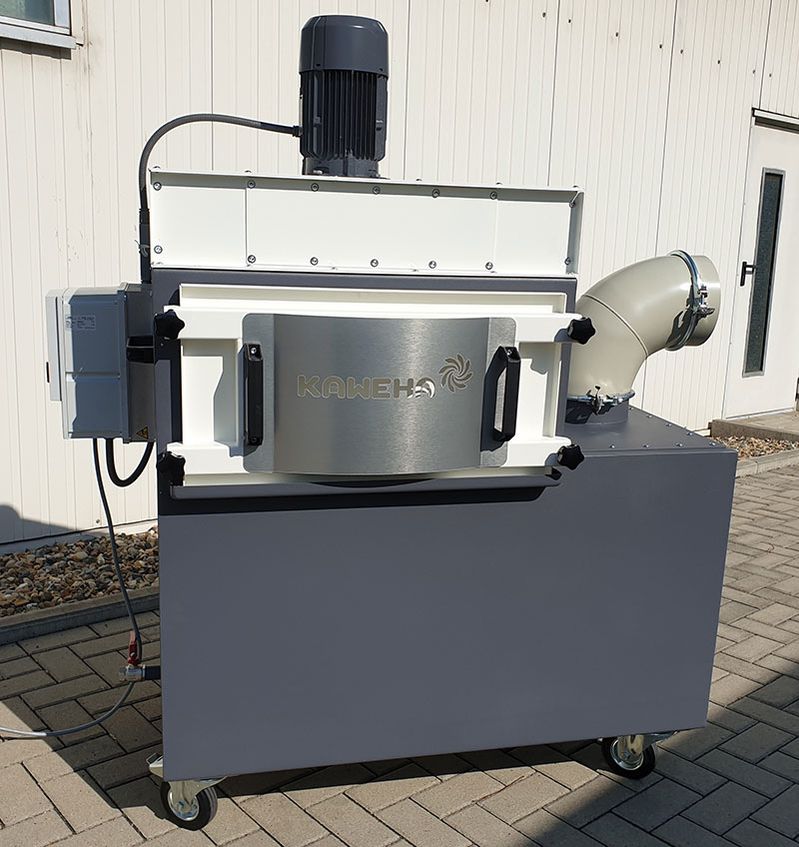
Extraction systems are essential for ensuring a clean and safe working environment. They remove pollutants and particles from the air, thus contributing to compliance with health and safety standards. There are various types of extraction systems, including point extraction and area extraction, each suited to specific applications. Point extraction is ideal for workplaces where pollutants are generated in localized areas, while area extraction covers larger areas. Choosing the right extraction system depends on the specific requirements of your workplace. Efficient extraction systems not only reduce health risks but can also increase productivity by creating a more pleasant working environment. They represent an investment in the health and safety of your employees.
What are extraction systems?
Extraction systems are technical devices used to remove dust, smoke, vapor, or other harmful or unwanted particles from the air in enclosed spaces. They are particularly important in industrial or manufacturing environments, where such particles are often generated as a byproduct of production processes. Extraction systems are equipped with filters that remove these particles from the air. This not only contributes to a clean working environment but also protects the health of those working there. Various types of extraction systems exist, differing in their operation and application. They can be mobile or stationary and are specialized for different applications, such as the extraction of welding fumes, aerosols, or chemical vapors.
The different types of extraction systems
Extraction systems are essential for ensuring a clean and safe working environment. They are used in various industries and come in different types. Among these are stationary extraction systems, which are permanently installed in a building and offer high extraction capacity. Mobile extraction systems are flexible and particularly suitable for use at changing workplaces. Central vacuum systems are especially effective in large factories, removing contaminants from the entire facility. Oil mist extraction systems are used to eliminate oil and coolant mist in industrial settings. Each type has specific advantages and disadvantages, and the choice of the right extraction system depends on the specific requirements of the workplace.
Advantages of using extraction systems
Extraction systems offer numerous advantages, making them indispensable equipment in many industries. First, they improve the working environment by eliminating harmful and unwanted substances such as dust and fumes. They contribute to improved air quality and protect the health of employees. Second, extraction systems increase the efficiency of production processes. By removing waste products, machines can operate more smoothly and require less maintenance. Third, they are effective in handling potentially hazardous substances, thereby reducing the risk of workplace accidents. Finally, they enable the reuse of raw materials, contributing to cost savings. In summary, extraction systems are an essential element for safe, efficient, and environmentally friendly production.
What to consider when choosing an extraction system
When selecting an extraction system, several aspects need to be considered. First, the system's performance. It's important to choose a system with sufficient power for your specific needs. Second, the system's quality and durability. A high-quality, long-lasting system can be more cost-effective in the long run. Third, the system's ease of use. A system that is easy to operate and maintain can save time and effort. Finally, you should also consider the system's cost. It's important to choose a system that fits within your budget.
Installation and maintenance of extraction systems
The installation and maintenance of extraction systems requires expertise and experience. Important aspects such as the positioning and alignment of the system must be considered during installation. The system must be positioned efficiently to ensure maximum performance. Regular maintenance is essential to extend the service life of the extraction system and guarantee its optimal operation. This includes inspections, cleaning, and, if necessary, the replacement of parts. It is important that this work is carried out by qualified professionals to ensure the safety and efficiency of the system.
Success stories for the use of extraction systems
Extraction systems play a vital role in various industrial sectors. In the metalworking industry, for example, they contribute to improved air quality by extracting pollutants and particles. They also help increase productivity by keeping the work area clean and free of debris. In the food industry, extraction systems are used to maintain hygiene by preventing the spread of bacteria and mold through the removal of moisture. In other industries, they help prevent the spread of dust, reducing the risk of fire and explosion. Extraction systems are also used in laboratories to remove hazardous gases and vapors, thus reducing the risk of health problems for employees.
Extraction systems: Sustainability and environmental aspects
Extraction systems play a significant role in sustainability and environmental protection. They contribute to improving air quality by removing harmful particles and gases from the environment. These systems are particularly essential in industries where production generates harmful emissions. Using extraction systems can help reduce a company's environmental footprint while simultaneously improving working conditions for employees. Furthermore, they meet important legal requirements and standards related to environmental protection. It is crucial that companies consider these aspects and integrate them into their sustainability strategies. The correct selection and regular maintenance of extraction systems are essential for their effectiveness and longevity.
If you are interested in an extraction system for your company, please click here or call us on 0561 / 510 54-0.
October 5, 2023
