
How to assess the effectiveness of an extraction system
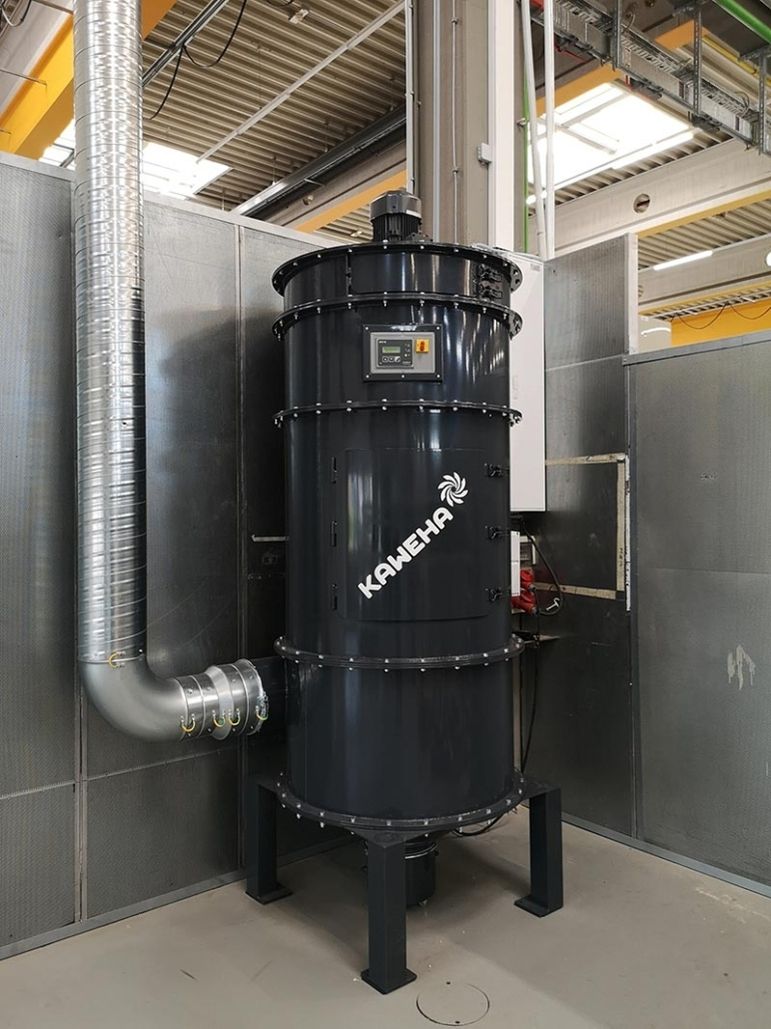
The effectiveness of an extraction system can be assessed by several factors. First, the system's performance should be examined. How much air can it extract per minute? Another important aspect is cleaning efficiency. How well does the system remove dust and other particles from the air? Durability and ease of maintenance are also crucial. How often does the system require servicing or parts replacement? Finally, energy efficiency also plays a role. How much electricity does the system consume? All these factors together provide a good overview of an extraction system's effectiveness.
Understanding the importance of the effectiveness of extraction systems
The effectiveness of an extraction system can be assessed by several factors. First, it's important to check the system's capacity. A high-performance system can extract more air and pollutants. Maintenance intervals are also crucial, as regular servicing increases the system's lifespan and efficiency. Another factor is noise emission. A quiet system causes less disturbance and improves the working environment. Finally, energy efficiency should be considered. An energy-efficient extraction system reduces operating costs and is more environmentally friendly. In summary, the effectiveness of an extraction system can be evaluated by checking its capacity, maintenance, noise emission, and energy efficiency.
Know the different parameters for evaluating effectiveness
The effectiveness of an extraction system can be evaluated using various parameters. First, the extraction capacity: How much air can the system extract per hour? Second, the filtration efficiency: How well does the system filter pollutants from the air? Third, the noise level: How loud is the system during operation? Fourth, the energy efficiency: How much electricity does the system consume? Fifth, the ease of maintenance: How easy is the system to maintain and clean? By considering these parameters, you can make an informed decision about the effectiveness of your extraction system.
The measurement of the volume flow and the extraction capacity
An effective method for evaluating the efficiency of an extraction system is to measure the airflow rate and extraction rate. The airflow rate indicates how much air flows through the system per unit of time, while the extraction rate shows how effectively unwanted substances are removed. A high airflow rate and high extraction rate indicate an effective system. However, it is important to perform these measurements regularly to ensure the system continues to function well. Regular maintenance and cleaning can also contribute to maintaining effectiveness.
Checking the filter efficiency and dust retention capacity
The effectiveness of an extraction system can be assessed by various factors. An important aspect is checking the filter efficiency. It's crucial to ensure the filter is correctly installed and functioning optimally. A good filter captures most of the dust and dirt, extending the system's lifespan. Additionally, dust retention capacity is a critical factor. A high value indicates that the system is effective and releases less fine dust into the environment. Regular maintenance and inspection of these components can significantly improve the extraction system's effectiveness. Therefore, investing time and effort in monitoring and optimizing these aspects is worthwhile.
Regular maintenance and servicing of the extraction system
This is crucial for its effectiveness. First, check the condition of the filters – these should be cleaned or replaced regularly to ensure optimal performance. The fan performance should also be checked to ensure sufficient air extraction. Another important point is checking the piping for blockages. Old or damaged pipes can leak, which reduces efficiency. Finally, it's also important to assess the system's energy efficiency. High energy efficiency not only means lower operating costs but is also better for the environment.
The importance of employee training and awareness
Employee training and awareness are key aspects of evaluating the effectiveness of an extraction system. Employees should be informed about the system's operation, its correct use, and any potential risks. Appropriate training equips them to operate the system efficiently and recognize potential problems. Furthermore, their knowledge helps extend the system's lifespan and maximize its effectiveness. Regular awareness training keeps this knowledge up-to-date and helps ensure workplace safety. Therefore, the importance of employee training and awareness should not be underestimated.
Compliance with legal requirements and standards
The effectiveness of an extraction system is not solely determined by its performance. It is also crucial to consider legal requirements and standards. These ensure that the system operates safely and in an environmentally friendly manner. Relevant regulations include, for example, emission control laws and technical operating instructions. Regularly check whether your system meets these standards. A well-maintained and regulated extraction system not only reduces the risk of malfunctions but also extends the system's lifespan and improves working conditions for employees.
The benefits of an effective extraction system for health and safety in the workplace
An effective extraction system is crucial for workplace health and safety. It helps remove harmful particles and fumes, improving air quality and reducing respiratory problems, allergies, and other health issues. Furthermore, a high-performance extraction system minimizes workplace accidents by removing dust and other airborne particles that can obstruct vision or cause slips and falls. It can also extend the lifespan of machinery and equipment by protecting them from contamination. To assess its effectiveness, factors such as extraction capacity, filter efficiency, and noise level should be considered.
For more information, please contact us.
November 21, 2023
