
Industrial extraction systems for gases and vapors
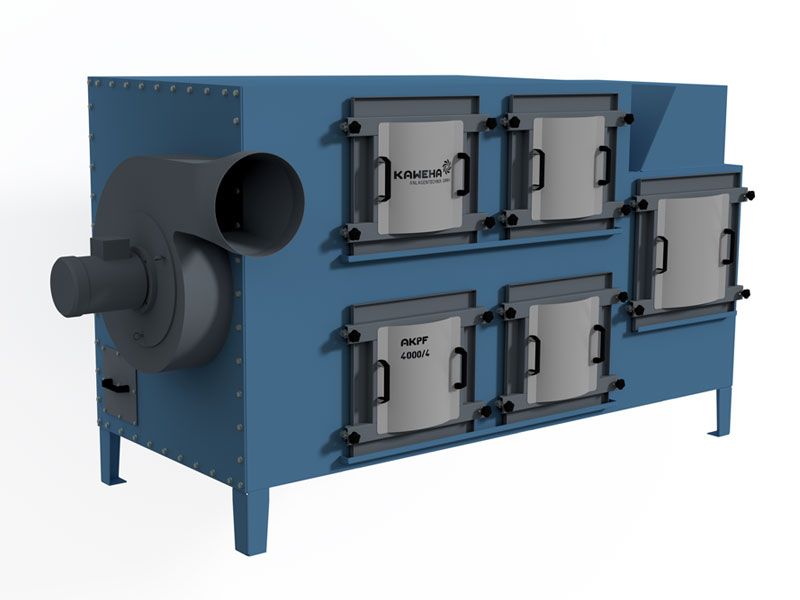
Industrial processes can generate gases, vapors, and odors, for example, in the production of composite materials, food processing, or plastics manufacturing. These gases impair air quality and pose a potential health risk to employees.
With an industrial extraction system from KAWEHA, harmful gases are efficiently filtered from the air. The result: fresh, clean air, healthy employees, and a pleasant working environment.
What is an extraction system?
Extraction systems are used to purify the air in various work environments. They are designed to remove unwanted substances such as gases, vapors, and odors from the air, thus creating a healthy working environment. Extraction is particularly relevant in industrial processes , as harmful fumes are produced when processing materials or painting. This is where our extraction systems come into play: They capture these harmful substances. The contaminated air is then passed through high-performance filter systems, often based on activated carbon filters, and the air is freed from harmful gases.
Whether you need a stationary solution for large production halls or a mobile unit for changing workstations, our extraction systems are exactly what you're looking for. We also offer suitable ATEX-certified models for special requirements such as explosive gases.
What are the advantages of extraction systems?
- Reduces health risks from pollutants such as gases, fumes and odors.
- Improved air quality
- Helps with compliance with occupational safety and environmental regulations.
- Minimizes unpleasant odors and improves the working environment
- Prevents pollutants from disrupting production processes
- Mobile and stationary solutions for different requirements
- Prevents deposits and damage caused by gases and vapors
- Safe for use in explosive environments
How are gases produced and how dangerous are they?
Industrial gases are often produced during the processing or heating of metals, resins, and chemicals such as solvents. If gas, vapor, or dust remains unfiltered in the air, the health risks are considerable. For example, adhesive and solvent fumes can lead to respiratory irritation, headaches, and persistent fatigue. Long-term exposure of employees to such substances can even increase their risk of developing cancer.
Without effective extraction, these toxic gases often remain in the air for extended periods, endangering not only employees but also the surrounding environment. To protect your employees' health and ensure a safe working environment, you must therefore provide targeted extraction and air purification using certified extraction systems.
Types of extraction systems for gases, vapors and odors
Stationary extraction systems
Stationary extraction systems are designed for continuous use in production environments. A high-performance example is the activated carbon cartridge filter system (ACPF STATIONARY). This system can effectively purify air volumes of 2,000 to 6,000 m³/h and is ideal for continuous operations such as paint shops, foundries, or composite material manufacturing. With this extraction system, you offer your employees comprehensive health protection and make a lasting contribution to reducing environmental impact. Thanks to its modular design, the activated carbon filter can be individually adapted to the specific installation location.
Mobile extraction systems
Our mobile extraction systems offer greater flexibility. The AKPF 1200 (MOBIL), for example, has an air capacity of 1200 m³/h and is specifically designed for businesses where solvent vapors are generated. This mobile air extraction unit is easy to operate and ensures the health and safety of everyone involved. Equally powerful is the AKPF AM/MW (MOBIL), a mobile workbench unit with a capacity of 1000 to 2000 m³/h. Both models effectively remove substances such as vapors, dust, and odors from the air and are ideal for changing workstations or specific industrial extraction applications.
How extraction systems work in industry
The process begins with air being drawn from the workshop or hall by a fan integrated into the extraction system. This air often contains harmful gases, particles, and other contaminants. Once the air enters the system, it passes through several filter stages: First, the coarse particles are captured. In the subsequent filters, the finer vapors and particles are removed by adhering to the filter.
For fumes often generated during the processing of chemicals or metals, activated carbon filtration technology is frequently used. These filters are particularly effective at absorbing and/or neutralizing gaseous substances such as odors and vapors. At the end of the process, the purified air is returned to the room. In this way, the extraction system ensures that the air quality in the industrial hall or workshop remains consistently high, while simultaneously protecting the health of your employees.
Application areas of extraction systems in industry
Extraction systems are used in numerous industries to efficiently remove various pollutants such as dust, fumes, and gases. Whether in the chemical industry for handling hazardous vapors, in the automotive industry for welding and painting, or in the food industry for controlling dust and odors – industrial extraction systems are versatile and can be used to meet a variety of industrial challenges.
Typical areas of application:
- Chemistry
- Automotive
- food industry
- Welding shops
ATEX regulations for the extraction of gases, vapors and dusts
ATEX regulations are relevant for the planning and installation of extraction systems in areas where explosive atmospheres can occur. These guidelines aim to ensure the safe extraction of explosive dusts released during industrial processes. Such dusts, which can be ignited by friction or electrical malfunctions, form a dangerous mixture with oxygen – even a single spark can cause an explosion. To minimize this risk, extraction systems must not only be ATEX-compliant, but all external components, such as capture elements and piping systems, must also be carefully designed for explosion protection.
At KAWEHA you receive certified extraction systems for completely safe operation, for example the ATEX Dustmaster for aluminium dusts.
KAWEHA and extraction systems for industry
Since 1991, KAWEHA Absaugtechnik GmbH has stood for high-quality industrial extraction and air filtration technology. Based on our many years of expertise, we develop customized air purification solutions for a wide range of applications, such as high-performance oil mist separators. Whether it's extracting oil and emulsion mists, filtering hazardous dusts, or separating gases and volatile organic compounds, we are your partner for every challenge.
Trust KAWEHA to make your production environment safe, clean, and efficient. Contact us now and find the optimal air purification solution for your needs!
Frequently asked questions (FAQ)
How does the extraction of fumes work?
The extraction of fumes is carried out by special extraction systems that filter and remove pollutants such as gases, smoke, or vapors from the air. These systems use various filter systems, such as activated carbon filters, to bind the harmful substances and return or safely discharge purified air.
How much does it cost to operate an extraction system?
Operating costs for extraction systems include electricity consumption, filter replacement, regular maintenance, and potentially compressed air supply. The exact operating costs are best determined through an individual calculation based on your specific requirements and the frequency of use of your system.
What is important when buying an extraction system?
Several factors are crucial when purchasing an extraction system: correctly sizing the system for the intended application, selecting the appropriate filter system, and considering the expected pollutants. Furthermore, efficiency, ease of maintenance, and compliance with relevant safety standards, such as ATEX directives, should also be ensured. At KAWEHA, we are happy to advise you to ensure your extraction system functions optimally and is cost-effective in the long term.
October 9, 2024
