
Legal requirements for extraction systems
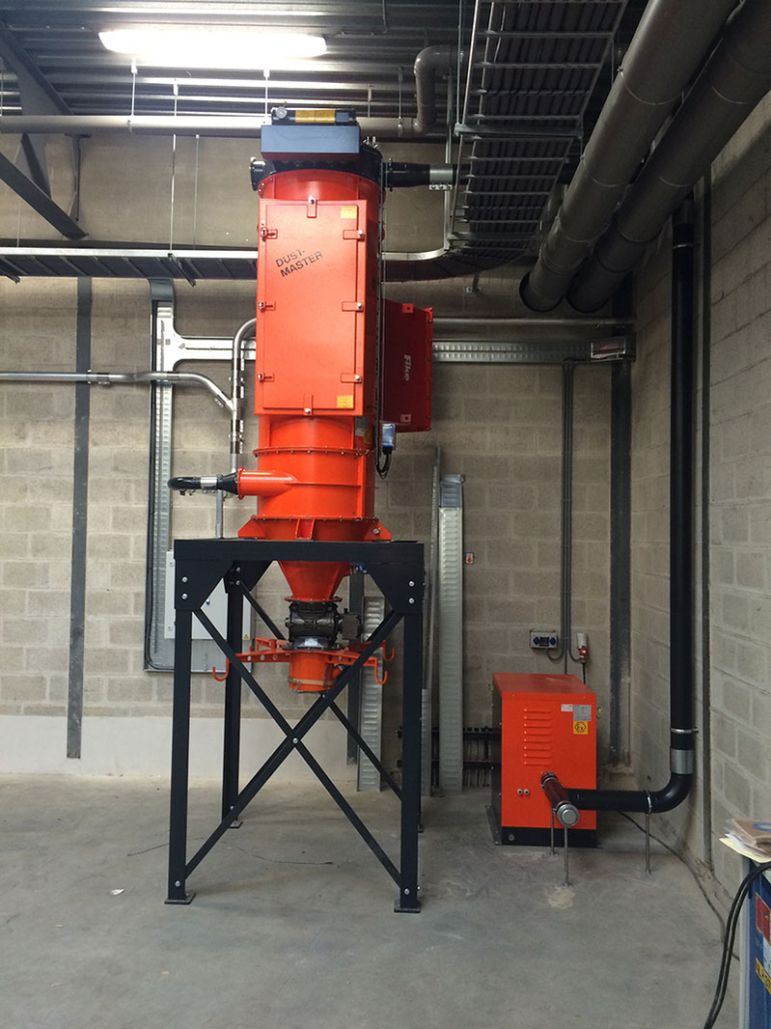
Extraction systems are particularly important when it comes to protection against harmful particles such as welding fumes or other hazardous substances. To ensure the health and safety of employees in industrial environments, companies are obligated to comply with certain legal requirements regarding the use of extraction technology. Here you will find an overview of the most important regulations and rules for extraction systems.
Extraction systems – what are they?
Extraction systems are used to remove harmful particles, vapors, oil mist, aerosols, or gases from the air. They are employed in various industrial and commercial sectors to improve air quality through recirculation and to protect employee health. Extraction systems can be specifically designed for certain pollutants and biological agents, such as emulsions or dust, and are available in various sizes and configurations, both mobile and stationary.
The most important guidelines for handling extraction technology
Compliance with current guidelines, standards, and regulations in the field of extraction technology is essential for the safe operation of extraction systems. Key directives include the Machinery Directive, the Low Voltage Directive, the Electromagnetic Compatibility Directive, and the ATEX Product Directive. Furthermore, manufacturers must reference harmonized standards, technical rules, and DGUV regulations used in the design of the extraction system in their declaration of conformity. Some of the current regulations for extraction systems are contained in the DGUV regulations.
Of particular relevance here are DGUV Rule 109-001 for the prevention of dust fires and explosions, DGUV Rule 109-002 for ventilation measures, and TRGS 528 for welding work. Compliance with these regulations is essential, as it is the only way for companies to guarantee workplace safety, remove harmful particles from the air, and avoid potential legal problems.
An overview of the most important guidelines for extraction technology:
- Machinery Directive
- Low Voltage Directive
- Electromagnetic Compatibility Guideline
- ATEX Product Directive
- DGUV Rules 109-001 to 209-078
- TRGS 528
- TRGS 560
DGUV Information
The DGUV Information (German Social Accident Insurance) serves as a comprehensive guideline for ensuring essential safety aspects in the design, planning, implementation, and operation of extraction systems. It addresses structural requirements and the technical implementation of the systems and provides important information on system performance and dimensioning during the planning phase. For safe operation, the DGUV emphasizes the importance of maintenance, servicing, regular inspections, and documentation. All DGUV regulations are aimed at minimizing the exposure of employees to hazardous substances and serve the needs of manufacturers and operators of extraction systems. Current regulations such as DGUV Rules 109-001, 109-002, and 209-044, as well as TRGS 528 and TRGS 560, support these objectives.
Extraction systems: CE conformity in Europe
Manufacturers of extraction systems in Europe are required to issue a declaration of conformity. By affixing a CE marking to the system, they confirm that the extraction system complies with European regulations and can therefore be used throughout Europe. Before this marking can be affixed, however, a series of assessments must be carried out to ensure that the systems comply with the applicable directives and standards.
Extraction systems typically fall under the Machinery Directive, the Low Voltage Directive, and the Electromagnetic Compatibility Directive. Depending on the application, the ATEX Product Directive and other regulations may also be relevant. Compliance with these legal requirements and rules generally ensures safe operation.
Legal requirements for extraction systems during welding
Welding fume extraction is a particularly important issue for businesses, as legal requirements for extraction systems during welding are strict and precisely defined. This is the only way to protect the health of employees and ensure compliance with welding fume regulations. According to the Hazardous Substances Ordinance, extraction systems must capture pollutants at their point of release and dispose of them safely.
New regulations such as TRGS 528 and DGUV Rule 109-002 place particular emphasis on point extraction, meaning that welding fumes must be extracted directly at the source of the particles. General room extraction systems are therefore no longer sufficient. Companies that perform welding should ensure that their extraction systems comply with current legal requirements.
Why are guidelines for extraction systems important?
Companies must comply with the guidelines and legal requirements for the use of extraction systems. This is the only way to guarantee the health and safety of their employees and avoid potential risks and legal issues. These guidelines essentially define how extraction systems must be operated, maintained, and inspected safely. By implementing and adhering to these regulations, companies not only reduce the risk of workplace accidents and health problems but also ensure that their extraction systems operate efficiently and meet current legal standards.
Important points to consider when planning and installing extraction systems
When planning and installing extraction systems, companies must comply with various legal requirements and regulations. These include the Industrial Safety Ordinance, the Technical Rules for Hazardous Substances (TRGS), occupational safety regulations, and the Workplace Ordinance. Environmental aspects such as emission levels and their limits must also be considered. As the operator of extraction systems, you are responsible for complying with legal requirements, including technical standards, regular maintenance, and environmental protection regulations. Violations can lead to substantial fines and liability claims. Therefore, it is crucial to be informed about and adhere to the applicable laws and regulations. A specialist company like Kaweha can help ensure that your system meets all legal requirements.
What legal considerations do I need to be aware of regarding an extraction system?
- Legal regulations & standards
- Environmental protection regulations
- Occupational safety regulations
- Permits and certifications
- Maintenance and inspection
Regular maintenance and inspection of extraction systems
Regular maintenance and inspections of extraction systems ensure that they comply with current legal requirements and can be operated safely. Such tasks should generally be carried out by qualified professionals who can identify potential malfunctions early and ensure proper operation. Inspections should be performed according to manufacturer's instructions and legal regulations. It is also crucial that maintenance intervals are always adhered to, as only regular inspections ensure the system remains effective, safe, trouble-free, and economical in the long term.
Legal requirements for ATEX extraction systems
ATEX extraction systems must meet additional specific legal requirements. The ATEX Directive (2014/34/EU) sets out the requirements for equipment and protective systems used in potentially explosive atmospheres, as well as for the extraction and filtration of explosive substances. These requirements include ensuring safe operation in environments where explosive atmospheres may occur. ATEX extraction systems must therefore be designed, constructed, and installed to effectively minimize the risk of explosions. Furthermore, to maintain their legal validity, the systems must be regularly inspected and maintained.
Responsibilities and liability in connection with extraction systems
Certain legal requirements and regulations must be observed when operating extraction systems. As the operator, you are responsible for complying with these regulations. This includes technical safety standards, regular maintenance and inspections, as well as adherence to environmental and health regulations. Failure to comply can result in substantial fines, and you may be held liable for damages. Therefore, it is essential to be informed about the applicable laws and regulations and to comply with them.
Legally compliant extraction systems from Kaweha: Safety and quality
Whether for dust, oil mist, emulsions, or solids: Kaweha produces effective, high-performance extraction systems that meet all legal requirements. Our extraction solutions are developed and manufactured according to the latest guidelines and standards, guaranteeing safe operation in various industrial environments. Since 1991, we have stood for high-quality extraction systems that comply with applicable regulations – protecting the health of your employees and contributing to environmental protection. Contact us now to obtain customized, legally compliant extraction technology tailored to your needs!
Frequently asked questions (FAQ)
Are permits required for extraction systems?
Yes, depending on local regulations and the type of extraction system, permits are required, for example, in the case of a system expansion. Equally important is proof that the system is, or has been, maintained and inspected before and at regular intervals after commissioning.
How often should extraction systems be inspected?
In general, extraction systems should be regularly serviced and inspected, either annually or at shorter intervals. This ensures that companies can guarantee that the systems function properly and that employees are not exposed to hazards during their work.
Is fume extraction mandatory when welding?
Yes, extraction during welding is legally required according to occupational safety regulations to reduce exposure to welding fumes and other hazards. This is the only way to protect the health of workers.
Who is responsible for inspecting extraction systems?
The regular inspection and testing of extraction systems is usually carried out by qualified professionals or external testing organizations. They ensure that the systems meet the required standards and can be operated safely. We at Kaweha are happy to support you with the installation and maintenance of your extraction and filtration systems.
July 2, 2024
