
Oil mist separators for machine tools
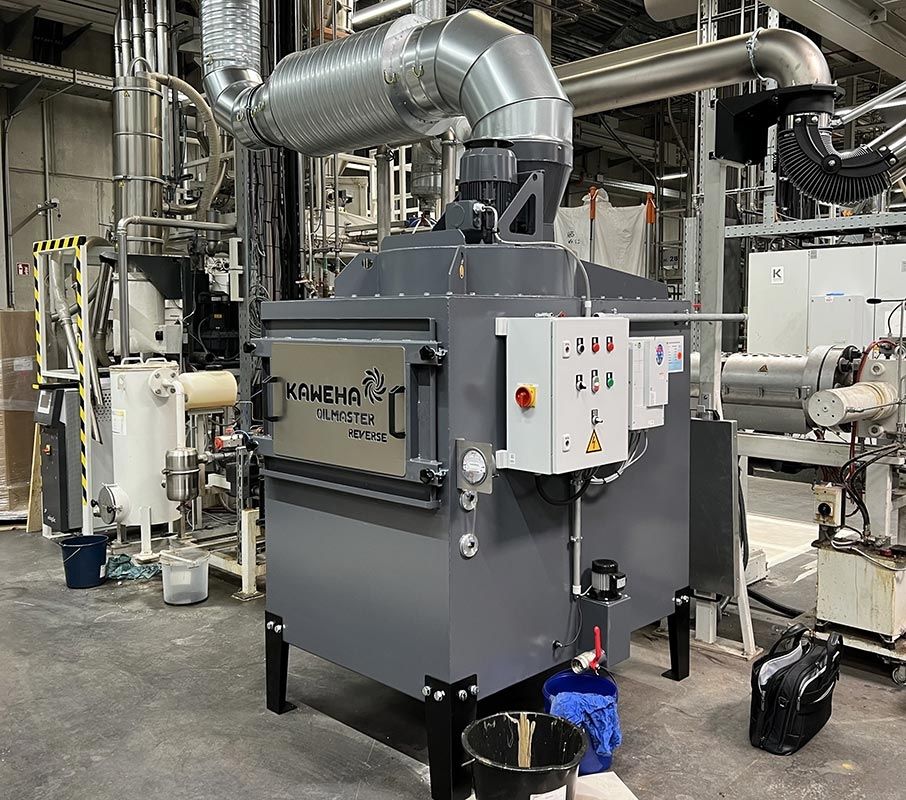
As a leading manufacturer of oil mist separators, we understand the crucial role these systems play in industry. Our oil mist separators are not only essential for complying with legal air quality regulations, but also contribute significantly to the efficiency and longevity of machine tools. With careful installation and regular maintenance, our separators offer numerous advantages, which we will explain in detail below.
When are oil mist separators used?
Oil mist separators are used in industry to filter fine emulsion mists, oil mist, fumes, and other aerosols from the air that are generated during the use of cooling lubricants in machine tools and machining centers. These systems are crucial for complying with occupational safety regulations and ensuring a clean working environment. Applications include machining processes such as drilling, milling, and grinding, where workpieces are often coated with cooling lubricants, as well as non-cutting forming processes such as deep drawing and pressing, which also produce emulsion and oil mist.
Advantages of oil mist separators for machine tools
The use of oil mist separators in industry offers numerous advantages, especially for machine tools. These systems not only contribute to improved air quality but also to the efficiency and longevity of the machines. The most important advantages of oil mist separators are explained in detail below.
Effective oil mist removal
Oil mist separators are crucial for the effective removal of oil mist generated during the use of cooling lubricants in machine tools. Scientific studies, such as those conducted by the Fraunhofer ICT and the University of Karlsruhe, have shown that oil mist separators can significantly reduce aerosol concentrations in the air. This minimizes employee exposure to harmful substances and contributes to a cleaner working environment.
Improved durability of machine tools
By separating oil mist, oil mist separators prevent fine particles and aerosols from settling on the surfaces of machine tools. This protects the machines from wear and tear (which cannot be caused by oil!), thus extending their service life. A clean working environment reduces mechanical stress and wear on machine components, thereby increasing their performance and operational reliability. Electrical systems are also protected, as they can be damaged by aerosols on sensitive components.
Reduced maintenance costs
The use of oil mist separators leads to a significant reduction in maintenance costs. By effectively removing oil mist and other contaminants, the need for frequent cleaning and maintenance of machinery is minimized. This translates to less downtime and lower costs for spare parts and repairs, thereby increasing operational efficiency and productivity.
Improved air quality and workplace safety
One of the most important functions of oil mist separators is to improve air quality in industrial work environments. By reducing airborne pollutants, these systems contribute significantly to workplace safety. This is particularly relevant in metalworking, where exposure to oil mist and aerosols can pose health risks to employees without appropriate separation technologies.
Compliance with environmental and safety standards
Oil mist separators help companies comply with strict environmental and safety standards. Regulations such as the Technical Instructions on Air Quality Control (TA Luft), the Workplace Ordinance (ArbStättV), and the Hazardous Substances Ordinance (GefStoffV) set clear limits for emissions and air quality in the workplace. By using oil mist separators, companies can ensure they meet these legal requirements and thus avoid legal consequences.
Is the use of oil mist separators legally required in all workshops?
The use of oil mist separators is not generally mandated by law in all workshops, but there are strict regulations regarding workplace air quality that often necessitate the use of such systems. Whether an oil mist separator is specifically required depends on factors such as the type and quantity of cooling lubricants used, the machining processes and their intensity, the room size and ventilation, and the results of the risk assessment. Particularly in metalworking, the use of oil mist separators is often necessary to comply with legal limits and protect the health of employees. Employers are obligated to take appropriate measures to reduce oil mist emissions, which frequently includes the use of oil mist separators.
What standards and guidelines apply to the use of oil mist separators in industry?
Several relevant standards and guidelines apply to the use of oil mist separators in industry. These guidelines ensure that the technical equipment complies with legal requirements and that the health of employees is protected. The most important standards and guidelines are listed in detail below:
- Technical Instructions on Air Quality Control (TA Luft) : This administrative regulation, published by the German Federal Environment Agency, sets limit values for emissions that are also relevant for oil mist. TA Luft is a key instrument of German air quality policy and defines, among other things, the maximum permissible concentrations of pollutants in the air.
- Workplace Ordinance (ArbStättV) : This ordinance contains general requirements for air quality in workplaces. It ensures that workplaces are designed in such a way as to minimize health hazards. This includes adequate ventilation and regular monitoring of air quality.
- Hazardous Substances Ordinance (GefStoffV) : This ordinance regulates the handling of hazardous substances in the workplace, including oil mist. It obliges employers to conduct risk assessments and implement appropriate protective measures to minimize exposure to hazardous substances.
- TRGS 900 (Technical Rules for Hazardous Substances) : These rules define occupational exposure limits (OELs) for various substances, including oil mist. They are an essential component of occupational safety and health and serve to protect the health of employees.
In addition to these standards and guidelines, there are specific requirements for the operation and maintenance of oil separators:
- Regular self-monitoring : These checks are carried out by trained personnel and include verifying the operating parameters and the functionality of the system.
- Semi-annual maintenance : This maintenance is carried out by a qualified professional and includes the inspection and maintenance of critical components to ensure optimal performance and safety.
- General inspection every 5 years : This is carried out by a qualified expert and includes a comprehensive examination of the system, including leak tightness, technical components, the operating log, and waste disposal records. Defects must be documented and rectified to ensure operational safety.
Compliance with these standards and guidelines is particularly important in metalworking, where oil mist separators are frequently used to meet stringent regulations regarding workplace exposure limits and indoor air quality. These measures contribute significantly to the health and safety of employees and support compliance with legal requirements.
What scientific studies have been conducted on the effectiveness of oil mist separators?
Several scientific studies and technical reports have investigated the effectiveness of oil mist separators. A significant study was conducted by the Fraunhofer ICT and the Institute for Technical Thermodynamics and Refrigeration Technology at the University of Karlsruhe. This study, funded by the state of Baden-Württemberg, characterized the separation of oil mist and described in detail the test setups and methods for aerosol generation and cooling lubricant separation. The results showed that oil mist separators are effective in reducing aerosol concentrations in the air.
In addition, Kaweha has developed oil mist separators based on the agglomeration principle. This technology slows down the air velocity, causing aerosols to be returned in liquid form, resulting in the effective separation of oil mist and aerosols and thus ensuring a clean and safe working environment.
July 3, 2024
