
Process air purification: Tailor-made solutions for industry and commerce
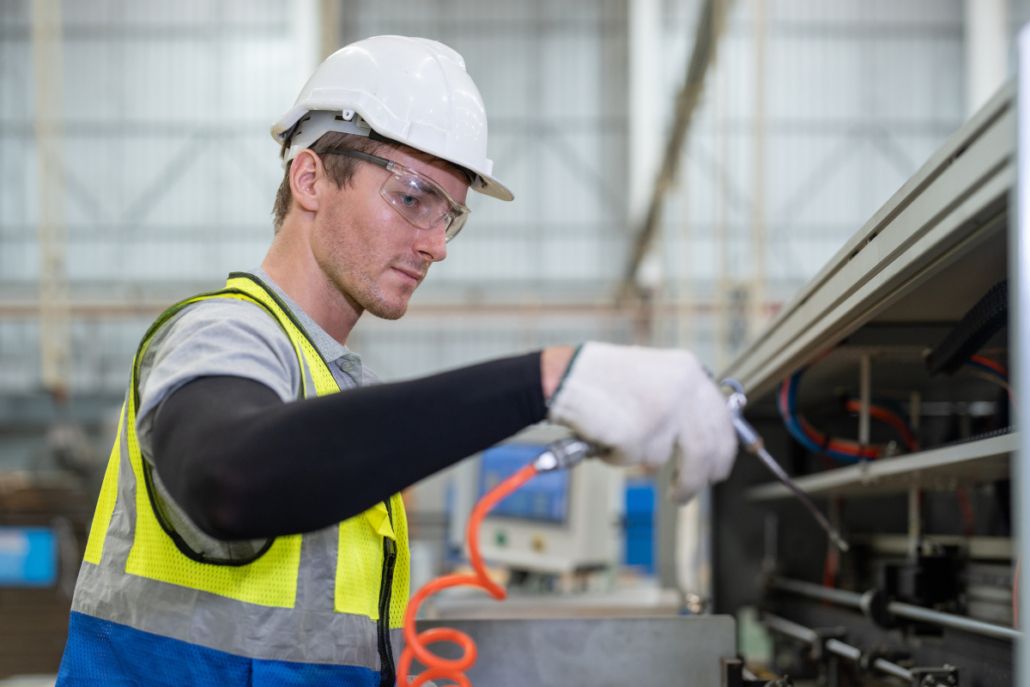
Process air purification is far more than just a technical detail at the edge of production: it plays a crucial role behind the scenes, determining whether machines, employees, and products function reliably day after day. Clean air is free of emissions and protects sensitive equipment – and thus the health of the workforce. Learn here what's important when it comes to process air purification.
Process air purification – The basis for clean air and stable production quality
Process air purification is far more than a technical detail at the edge of production. It plays a crucial role behind the scenes, determining whether machines function reliably, employees work in a healthy environment, and products maintain a consistently high standard. Clean air is free of pollutants, thus protecting even the most sensitive equipment and the health of all employees.
The quality of modern process air purification – industry requirements
Relevance of process air
Process air refers to technically treated air that is specifically used for production processes, machines, and systems – for example, as compressed air, filtered supply air in manufacturing cells, or cleaning and drying air for components. Air quality is always crucial: even minimal amounts of particles, oil mist, aerosols, chemical additives, or fine dust can contaminate surfaces or cause deposits within the system.
Professional process air purification reliably removes such substances and ensures that the air remains both safe for processes and poses no health risks. Modern systems combine high-performance filter systems with precise controls and ventilation concepts – regardless of whether the purification takes place in a ventilation system, an enclosed cabin, or directly at the machine.
For numerous industries, from food processing and pharmaceuticals to metalworking, certified process air quality has long been mandatory. Companies therefore need systems that meet all applicable standards, provide reliable references, and visibly demonstrate the brand's commitment to quality.
Effects of poor process air
If process air is not adequately filtered, gradual but serious disadvantages arise during operation.
- Machine wear and tear increases: Fine dust, abrasion and aerosols accumulate in components, causing bearings, sensors and electronics to fail earlier.
- Unplanned shutdowns are becoming more frequent: Without stable air quality, the risk of failures increases – a cost factor that is often only recognized late.
- Product quality decreases: Particles in the ambient air can damage surfaces, alter tolerances, or leave visual defects.
- Health protection is at risk: pollutants, dust and fumes increase the risk of respiratory diseases and put a long-term strain on employees.
Strict environmental and occupational safety regulations therefore require a convincing combination of process air purification and exhaust air purification, because only with a coordinated system can the respective limit values be reliably complied with – and transparently demonstrated to authorities, customers or auditors.
Modern air purifiers in industrial use
Professional air purification for businesses is based on a smart combination of different technologies. These include:
- Mechanical filter technology for dust, chips, fine particles and solids
- Multi-stage filter systems such as HEPA or ULPA for highly sensitive applications
- Activated carbon filters for binding gases, odors and organic compounds
- Condensation and separation systems for oil-containing aerosols
- Highly efficient exhaust air purification to reduce emissions
- Air purifiers for production cells or downstream room air purification
The selection of the appropriate technology always depends on the application, type of pollutant, plant design, and the company's process-oriented requirements. KAWEHA helps you determine this basis so that you get the technology you need.
Air purification: A real plus for businesses
Properly designed air purifiers offer multiple benefits in many applications: They reduce dust and fine dust directly at the source, prevent the uncontrolled spread of aerosols, and protect sensitive machinery from contamination. At the same time, they improve air quality in the workplace and adjacent rooms, increase employee concentration, and facilitate compliance with internal and external regulations.
KAWEHA develops solutions that can either be integrated into existing systems or operate as standalone products. From compact units to centralized systems, your business receives precisely the level of air purification it needs – including intelligent control, professional installation, and long-term maintenance support. Our experts will be there for you for years after installation.
Exhaust air purification – control, reduction and safe discharge of industrial emissions
While indoor air purification primarily improves the air quality in the workplace and process air purification is directly aimed at technical applications, exhaust air purification deals with what the systems release into the outside. Contaminated exhaust air is specifically captured, passed through suitable filters, and only then released into the ambient air.
This is particularly important for pollutants, odors, gases, dust, and flammable particles. Exhaust air purification thus protects not only the people involved in the process, but also the environment and the neighborhood – a point that is becoming increasingly important for responsible companies and for modern brand identity.
Efficient exhaust air concepts
Efficient exhaust air purification systems integrate seamlessly into existing ventilation systems, piping, and technical infrastructure. Well-planned solutions can even reduce energy consumption in the long term, extend filter lifespans, and significantly lower overall operating costs. KAWEHA relies on modular designs and flexible components that can be used in a variety of industries – from paint shops and the food industry to chemical production. This results in a system that is perfectly suited to your specific spatial requirements and economic objectives.
Kaweha Process Air Purification – Tailor-made solutions for industry and commerce
At KAWEHA you will find a broad portfolio of products and solutions, all tailored to different situations. Our best solutions include:
- Oilmaster series oil and emulsion mist separators for machining equipment
- Plant engineering for gases, VOCs and other gaseous pollutants
- Dustmaster systems for dust, fine dust and solid particles
- ATEX-compliant filter and air purification systems for potentially explosive atmospheres
- Mobile and centralized devices for businesses of varying sizes and different applications.
Working in conjunction with our own development department, we create tailor-made systems that deliver exactly what you need in terms of design, construction and control.
Our areas of operation and industries
KAWEHA air purification systems are used daily in many industries: in CNC machining centers, grinding and welding processes, plastics processing, laboratories, and even in sensitive areas of the food industry. Each industry brings its own unique requirements, standards, and technical parameters – and we combine these with field-proven technology and experience from numerous projects in Germany.
From initial analysis and successful on-site installation to ongoing service, KAWEHA supports your company as a long-term partner. Our goal is always clear: clean air, reliable processes, satisfied customers, and high standards of health protection and product quality.
Efficiency, operating costs and maintenance – Why good air purification saves money in the long run
Professional process air purification and exhaust air purification are investments that pay off many times over in ongoing operations. Clean air means less buildup in machinery, fewer unplanned downtimes, less rework, and therefore fewer breakdowns. At the same time, well-designed indoor air purification protects employees, reducing sick leave and strengthening their confidence in their work environment.
Another advantage: KAWEHA's modern air purification systems are always designed with efficiency, energy consumption, and overall production optimization in mind. For example, demand-based control, the effective use of heat recovery, and intelligent filter cleaning can sustainably reduce operating costs.
Economic advantages of process cleaning at a glance
- Lower operating costs due to reduced energy consumption
- Lower maintenance costs thanks to longer machine uptime.
- Minimized material losses through less waste
- Overall reduced risks through better control of emissions and exhaust air
However, even the best air purification system remains effective only if it is regularly inspected. At KAWEHA, companies therefore benefit from:
- planned maintenance intervals
- quick filter changes
- transparent documentation for audits and authorities
- Optimization measures in case of process or material changes
Through continuous monitoring and adjustments, the air quality remains consistently high – and the system remains reliable in the long term.
Successful process air purification with KAWEHA
Whether in the production hall, the laboratory, or the office: clean air is essential in any production environment. With KAWEHA, you gain a partner that combines technology, experience, and an understanding of your extraction requirements – and develops solutions that work in practice: powerful, economical, and reliable. For process air purification that meets your quality standards.
Start your project with KAWEHA now – and secure top-level process air purification. Contact us today for a free consultation and a solution perfectly tailored to your needs!
Frequently asked questions (FAQ)
Is process air purification really worthwhile?
Yes – especially in places where many people work and air quality is compromised by particulate matter, aerosols, or allergens. An air purifier can significantly reduce these levels, but it doesn't replace a proper ventilation and hygiene plan.
What do doctors say about air purifiers?
Experts see air purification as a helpful addition to health protection measures, especially for sensitive individuals or allergy sufferers. However, they emphasize that air purification should always be part of a comprehensive package of measures, not a standalone solution.
What is process air?
Process air is technically treated air that has been filtered to remove pollutants. Its quality must meet the specific requirements of the respective industry to ensure that processes remain safe, stable, and reproducible.
How do room air purification and process air purification differ?
Indoor air purification focuses on the air in people's work environments, while process air purification is specifically geared towards technical processes, machinery, and products. In many companies, the two systems complement each other.
How exactly does KAWEHA support companies?
At KAWEHA, you'll find everything you need for air purification from a single source: We provide expert advice, transparent planning, and professional installation and maintenance of your system. This ensures you receive a customized solution perfectly suited to your business.
January 26, 2026
