
The effects of extraction systems on employee health
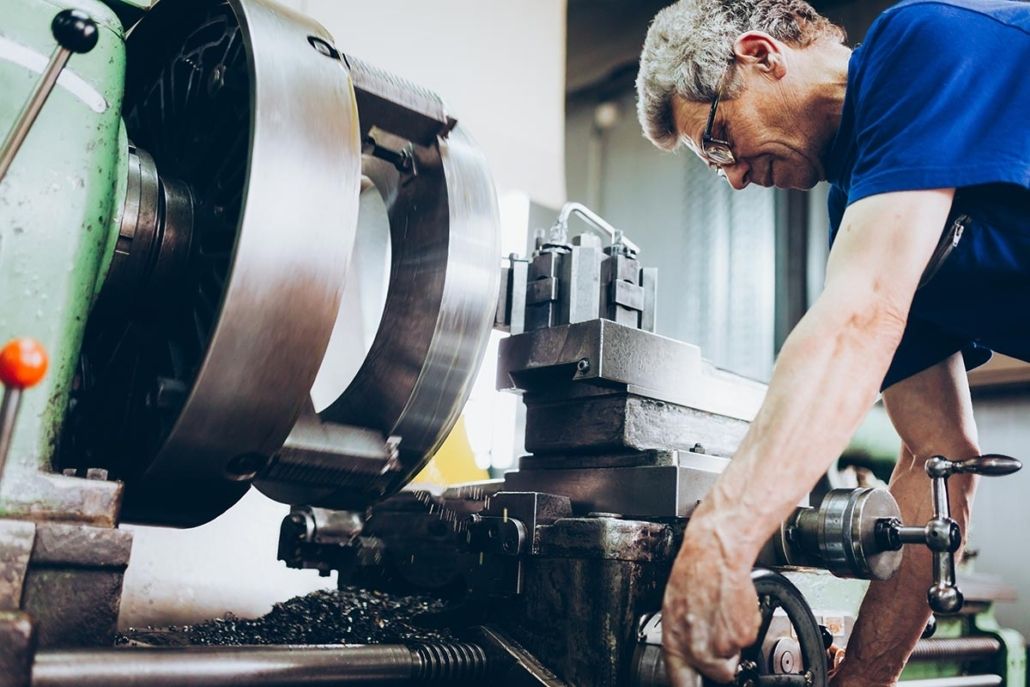
The importance of occupational safety and health protection in the workplace
In today's workplace, employee health and safety is of paramount importance. Extraction systems, in particular, play a key role, as they help improve air quality and minimize health risks. They remove hazardous substances from the air, thus ensuring a safer working environment. Their proper use and maintenance can lead to fewer illnesses and increased productivity in the long run. In this blog post, we will examine in detail the impact of extraction systems on employee health.
The effects of extraction systems on employee health
Extraction systems play a vital role in improving employee health. They remove harmful substances from the air, reducing respiratory strain and preventing health problems. Extraction not only ensures a clean working environment but also increases productivity, as employees experience fewer sick days. An effective extraction system is therefore not just a matter of safety, but also an investment in employee well-being. Nevertheless, regular maintenance of extraction systems is essential to guarantee their optimal performance.
The positive effects of extraction systems on employee health
Extraction systems make a significant contribution to maintaining employee health. They filter harmful particles from the air generated during production processes, thus contributing to a clean and safe working environment. Using extraction systems can reduce respiratory illnesses and allergic reactions, leading to fewer absences. Furthermore, clean air quality improves overall employee morale and productivity. It is therefore clear that investing in extraction systems not only protects employee health but also improves the working atmosphere and efficiency. It's a win-win situation for everyone involved.
The potential negative effects of extraction systems on employee health
Extraction systems can have a significant impact on employee health, especially if they are not properly maintained. They can lead to poor air quality, which can cause respiratory problems, allergies, and even chronic illnesses. Dust particles released into the air by the extraction system can damage the lungs. Similarly, harmful gases and fumes that are not effectively removed can lead to health issues. Therefore, it is essential that companies ensure their extraction systems are functioning correctly and are regularly maintained to protect the health of their employees.
Measures to minimize the negative effects of extraction systems
Extraction systems can negatively impact employee health by releasing dust and pollutants into the air. However, several measures can be taken to minimize these negative effects. First, it is essential to conduct regular maintenance and inspections of the extraction systems to ensure they are functioning optimally. Second, the use of appropriate filters is crucial to remove pollutants before they are released into the ambient air. Third, providing personal protective equipment, such as respirators, can protect employees from potential health risks. Finally, employee training on the risks and safe operation of extraction systems should not be neglected.
The importance of proper use and maintenance of extraction systems for employee health
Extraction systems play a vital role in employee health. They filter harmful particles from the air that would otherwise be inhaled by employees. However, inadequate maintenance can lead to reduced performance and increase the risk of health problems. Therefore, it is essential that companies invest in regular maintenance and inspections. A well-maintained extraction system can improve air quality, prevent respiratory illnesses, and contribute to an overall healthier work environment. Ultimately, employee health is not only a matter of ethics but also an investment in the company's productivity.
For more information, please contact us.
October 25, 2023
