
Oil fumes: origin, health hazards and effective protective measures
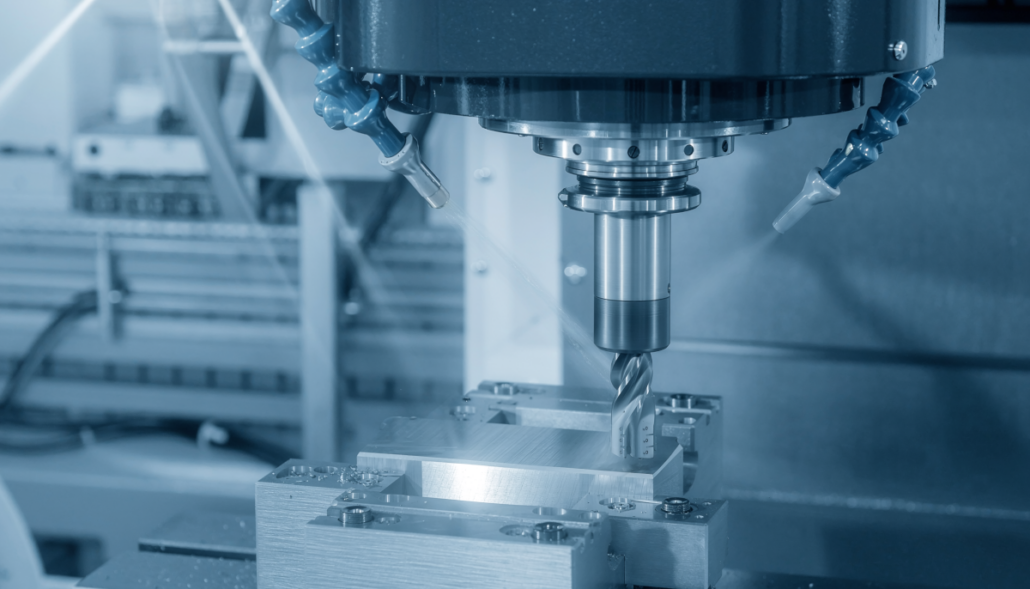
Oil vapors are produced wherever oils and cooling lubricants are exposed to high temperatures or mechanical stress. In the metalworking industry, in automotive workshops, and at CNC machining centers, these aerosols form as an invisible pollutant in the indoor air.
The occupational exposure limit of TRGS 900 applies even at a concentration of 5 mg/m³ of mineral oil mist in the air. Oil mist, oil fumes and oil vapors cause respiratory diseases, skin irritation and increase the risk of cancer with long-term inhalation.
Effective extraction and filtration systems capture these pollutants directly at the source and protect the health of employees.
What are oil vapors and how do they differ from oil mist?
Oil vapors refer to the gaseous phase of oils and oil-containing liquids. According to ISO 8573-5, the term oil vapor encompasses the sum of all aerosols and organic compounds from n-hexane upwards that are released into the air through evaporation or thermal decomposition (pyrolysis).
Oil mist, on the other hand, consists of fine oil droplets that float in the atmosphere as an aerosol. Both forms frequently occur together in industrial work environments.
The crucial difference lies in the particle size and state of matter. Oil mist consists of liquid droplets with a diameter of 0.5 to 5 micrometers. Oil vapors, on the other hand, are completely gaseous and cannot be seen with the naked eye.
Oil fumes are produced at particularly high temperatures when oil is thermally decomposed and contain ultrafine particles smaller than 0.5 micrometers. It is precisely this mixture of oil mist, oil vapors, and oil fumes that makes air pollution in manufacturing halls so dangerous, because the different particle sizes penetrate the respiratory tract to varying depths.
How are oil vapors produced during metalworking?
The formation of oil vapors is directly related to the temperature and the type of coolant used. In machining processes such as turning, milling, grinding, and drilling, high cutting speeds and the contact between the tool and workpiece generate temperatures of several hundred degrees Celsius. At these contact points, coolants evaporate and release oil vapors that spread throughout the entire workshop.
The following processes promote the formation of oil vapors and emulsion mists:
- Atomization of cooling lubricants by rapidly rotating machine parts and spindles on CNC machining centers
- Thermal evaporation of oil on hot workpiece surfaces during grinding and hardening processes
- Use of compressed air to blow off oil-wetted workpieces, whereby adhering oil is finely atomized.
- Leaks in hydraulic systems and machine tools that cause oil to drip onto hot machine parts
- Minimum quantity lubrication (MQL), in which small quantities of oil are sprayed directly into the machining zone under high pressure.
Besides metalworking, oil vapors are also produced in automotive workshops when handling engine oils and brake fluids, in plastics processing, and anywhere oils are heated. Even oil heating systems in residential buildings can release problematic concentrations if tanks or pipes leak.
What health hazards do oil fumes cause in the workplace?
Oil fumes pose a significant health hazard to all employees who regularly work in contaminated areas. The fine aerosols and gaseous components penetrate deep into the lungs via the respiratory tract and can cause chronic damage with prolonged exposure.
- Respiratory diseases are among the most common consequences of prolonged exposure to oil fumes. Oil mist particles are respirable and penetrate as far as the alveoli. Chronic bronchitis, asthma, and lipid pneumonia, in which oil particles accumulate in the lung tissue, are among the documented conditions.
- The cancer risk stems particularly from polycyclic aromatic hydrocarbons (PAHs), which are formed during the thermal decomposition of oils. The International Agency for Research on Cancer (IARC) classifies certain mineral oil mists as potentially carcinogenic. High-temperature oil vapors contain these carcinogenic compounds in particularly high concentrations.
- Skin irritations and allergies occur when oil droplets and oil-containing aerosols come into contact with the skin. Emulsifiers and preservatives in water-miscible cooling lubricants intensify this effect. Contact dermatitis and oil acne are typical skin conditions resulting from inadequate protection. In addition to these chronic conditions, oil vapors cause acute symptoms such as headaches, nausea, dizziness, and mucous membrane irritation in many affected individuals.
- Neurological effects are also possible with prolonged exposure. Oil vapors can enter the bloodstream via the lungs and exert toxic effects on the nervous system.
What are the limit values for oil vapors and oil mist?
The occupational exposure limit (OEL) for cooling lubricant emissions is specified in TRGS 900. For highly refined mineral oils, an OEL of 5 mg/m³ (respirable fraction) applies as a shift average over eight hours.
The DGUV rule 109-003 specifies the requirements for metalworking and defines a state-of-the-art value of 10 mg/m³ for the total exposure from aerosol and vapor of water-miscible cooling lubricants.
The general dust limit value of TRGS 900 limits the respirable fraction (A-dust) to 1.25 mg/m³ and the inhalable fraction (E-dust) to 10 mg/m³.
| pollutant | limit | Rules |
| Mineral oil, highly refined (A-fraction) | 5 mg/m³ | TRGS 900 |
| Water-mixed cooling fluid (aerosol + vapor) | 10 mg/m³ | DGUV Rule 109-003 |
| General dust limit (A-fraction) | 1.25 mg/m³ | TRGS 900 |
| General dust limit value (E-fraction) | 10 mg/m³ | TRGS 900 |
Compliance with these limits requires regular air quality measurements. Gravimetric methods and optical particle counters provide precise data on actual workplace exposure.
Practical experience in industrial extraction technology shows that many companies without suitable extraction and filter systems significantly exceed the permissible limits, especially on CNC machines with high spindle speeds.
How can oil fumes be effectively reduced?
The reduction of oil vapors follows the STOP principle (Substitution, Technical Measures, Organisational Measures, Personal Protective Equipment), which establishes a clear hierarchy of protective measures.
- Substitution is the first priority: Can the cooling lubricant used be replaced by a less emission-prone alternative? Switching to water-based coolants or minimum quantity lubrication can significantly reduce the formation of oil vapors and emulsion mist in some applications.
- Technical measures form the core of a sustainable solution. Closed machine enclosures prevent oil vapors from escaping uncontrollably into the hall air. Effective source extraction systems capture oil mist and oil vapors directly at their source, before the pollutants spread throughout the production hall. High-performance oil mist separators operate with multi-stage filtration: A pre-separation stage removes coarse particles and metal abrasion, the main stage eliminates oil mist and emulsion mist, and a post-filtration stage with fine filters retains the finest aerosols and oil smoke. Activated carbon filters supplement the system when gaseous hydrocarbons and odors need to be eliminated. Modern extraction systems achieve separation efficiencies of up to 99.95% and return the purified air to the work area, simultaneously improving energy efficiency through heat recovery.
- Organizational measures include regular maintenance and inspection of cooling lubricants in accordance with TRGS 611, employee training in the safe handling of cooling lubricant emissions, and adherence to defined maintenance intervals for filter systems. The temperature in production should be kept as low as possible, ideally below 40 degrees Celsius, to minimize oil evaporation.
- Personal protective equipment (PPE) such as respirators is only used when technical measures do not sufficiently reduce exposure. The principle remains: extraction systems and oil mist separators take precedence over organizational measures and personal protective equipment.
What role do extraction systems play in combating oil vapors?
Extraction systems are the most effective technical measure for reducing oil vapors, oil mist, and oil fumes in industrial work environments. The choice between a stand-alone solution and a central extraction system depends on several factors: the number of machines to be captured, the required airflow, the type and concentration of the cooling lubricants , and the spatial conditions in the production hall.
Various filter technologies are used to separate oil vapors. Mechanical filters and coalescing filters (which cause fine oil droplets to merge into larger drops) separate oil droplets from the air. Depending on the focus and requirements, the filter towers can be positioned at different locations in the production hall.
The dimensioning of an extraction system should always be based on concrete measurement data. General estimates often lead to undersized systems that fail to achieve the required volume flow and provide inadequate air purification. Experienced manufacturers of extraction systems consider not only the volume flow but also the particle size distribution, the cooling lubricants used, and the operating conditions of the machines when designing their systems.
KAWEHA: Your partner for clean air in the workplace
Since 1991, KAWEHA has been developing customized extraction and filtration systems for industrial work environments. From single-station solutions for individual machine tools to complex systems with individually manufactured capture elements, KAWEHA, as an extraction technology company, offers the right solution for every application.
The Oilmaster OM Reverse achieves separation efficiencies of up to 99.95% and reliably removes oil mist, oil vapors and emulsion mist from the hall air.
Our range of services includes consulting, planning, installation, commissioning and service – all from a single source. Whether you need energy-efficient systems with heat recovery or special ATEX-compliant systems (according to the European directive for potentially explosive atmospheres): With KAWEHA you have a reliable partner at your side.
Benefit from our many years of expertise in extraction technology and contact us today.
Frequently asked questions (FAQ)
What are oil vapors?
Oil vapors are gaseous hydrocarbons produced during the evaporation or thermal decomposition of oils and cooling lubricants. In the metalworking industry, oil vapors occur together with oil mist and oil smoke, negatively impacting workplace air quality.
Are oil fumes toxic?
Oil vapors are harmful to health, especially with prolonged exposure. Inhalation can lead to respiratory illnesses, skin irritation, and, in the case of certain compounds such as polycyclic aromatic hydrocarbons (PAHs), an increased risk of cancer. The occupational exposure limit for cooling lubricant emissions is 5 mg/m³.
What should you do if you have inhaled oil fumes?
In case of acute exposure to oil fumes, those affected should immediately leave the affected area and breathe fresh air. If symptoms such as shortness of breath, dizziness, or nausea persist, medical attention is required. Long-term, technical measures such as extraction systems and oil mist separators protect employees from exposure.
How can oil vapors be measured in the hall?
Oil vapors and oil mist are measured using gravimetric methods, optical scattering photometers, or electronic particle counters. TRGS 402 describes the procedure for determining and assessing exposure to hazardous substances in the workplace. The measurement results are directly incorporated into the design of suitable extraction systems.
Which extraction systems are suitable for oil vapors?
For the separation of oil vapors, oil mist separators with multi-stage filtration are suitable, combining mechanical filters, coalescing filters, and, if required, activated carbon stages. As a manufacturer of industrial extraction and air filtration systems, KAWEHA offers customized solutions designed to meet the specific requirements of each application.
February 24, 2026
